April 9, 2026
Renovating your backyard can be a transformative journey, turning an ordinary space into a personal oasis. Working with a hardscaping company can streamline the process, ensuring professional results and expert guidance. This article provides a comprehensive guide to planning your backyard renovation effectively with a hardscaping company.
The Basics of Hardscaping
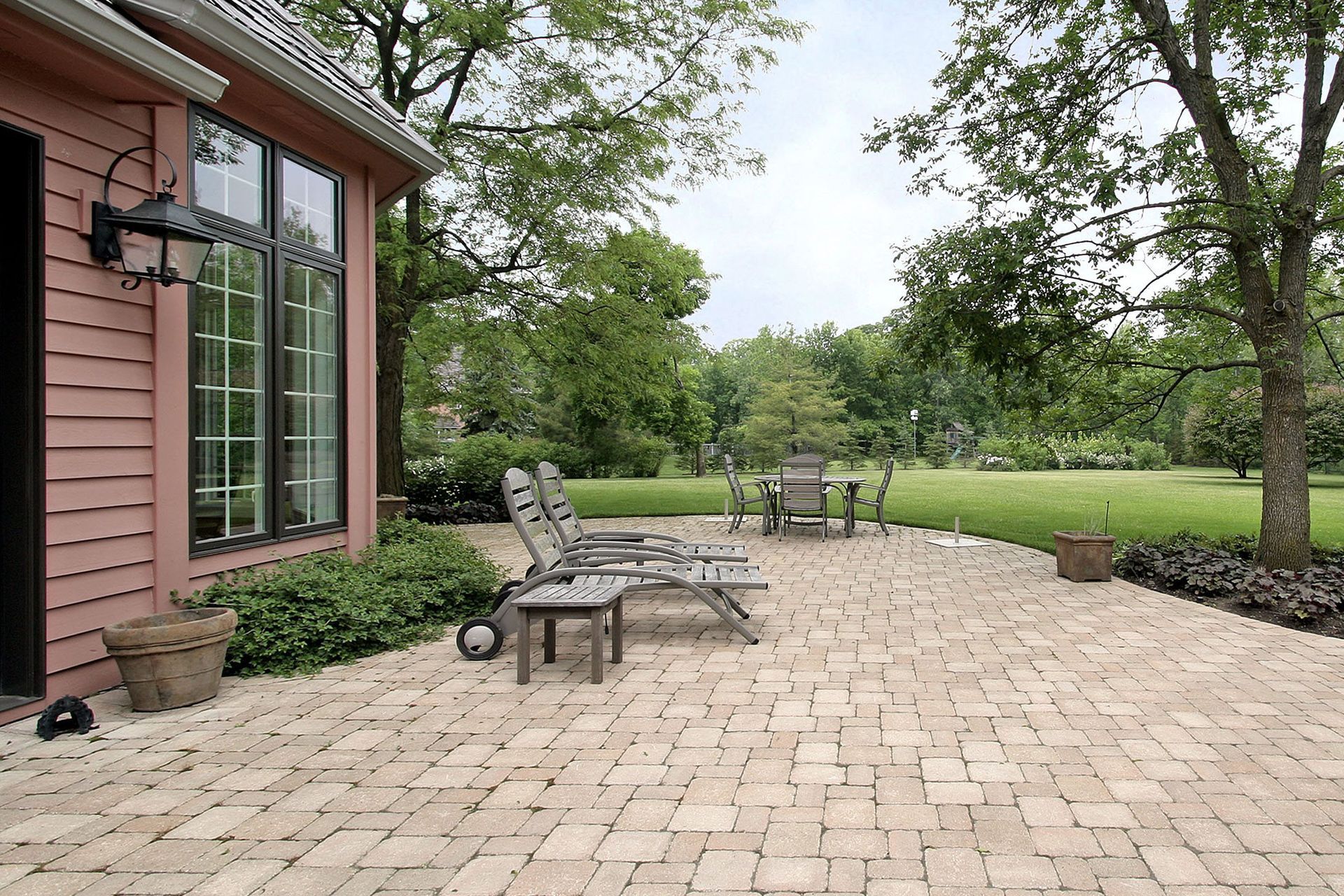
Firstly, hardscaping involves the use of non-plant elements in landscaping, such as stone, brick, wood, and metal. These features are critical for defining spaces and creating functional areas in a yard. Common hardscaping elements include patios, walkways, retaining walls, and outdoor kitchens. They not only enhance the aesthetic appeal but also provide significant structural benefits. Hardscaping is an integral part of yard design, offering durability and often requiring less maintenance than traditional landscaping.
The process of hardscaping involves thoughtful planning to ensure the functional efficiency of outdoor spaces. Hardscaping incorporates modern engineering and architectural principles. This discipline requires expertise in selecting materials that complement the existing environment and withstand various weather conditions. Hardscaping is particularly useful in creating cohesive outdoor themes that blend seamlessly with the home's architecture. The strategic use of hard materials helps manage drainage, offering practical solutions to common yard problems.
According to Market.us, hardscaping accounted for 42.6% of the paver blocks market share in 2024. This statistic highlights the popularity and growing preference for hardscaping elements in residential projects. This trend is driven by the versatility and aesthetic possibilities hardscaping presents, transforming bland spaces into visually appealing and functional areas. With the increasing desire for unique outdoor living spaces, hardscaping has become a critical component of modern landscaping solutions. Homeowners are drawn to its timeless appeal and the value it adds to a property.
Benefits of Hardscaping for Your Backyard
Hardscaping offers numerous benefits, beginning with its ability to expand usable living space. By creating patios, decks, and seating areas, homeowners effectively increase their home's square footage. These spaces are ideal for entertaining guests, enjoying family time, or simply unwinding outside. Beyond utility, hardscaping enhances the overall aesthetic appeal of a backyard, integrating seamlessly with natural landscapes. The use of quality materials ensures that these constructed elements remain beautiful and functional for years.
Another critical benefit of hardscaping is its capacity for low-maintenance. Unlike gardens and lawns, which require regular watering, mowing, and trimming, hardscape areas require minimal attention. Rock formations, paved walkways, and stone walls are durable features that withstand weather changes and heavy use. This resilience means fewer replacements and repairs over time, proving to be a cost-effective investment. Additionally, hardscape significantly contributes to erosion control by preventing soil movement and promoting proper drainage.
Hardscaping also offers environmental benefits, as these elements can be strategically placed to reduce water usage. By choosing permeable materials from a hardscaping company, such as certain pavers, water can seep through and replenish the soil rather than being lost to runoff. This approach not only supports water conservation efforts but also mitigates flooding risks during heavy rains. Moreover, hardscaping materials don't deplete soil nutrients, which is a common issue in high-maintenance gardens. Consequently, homeowners can enjoy beautifully structured environments with a reduced ecological footprint.
Differences Between Hardscaping and Landscaping
Hardscaping and landscaping are two integral components of outdoor design, each with distinct functions. Hardscaping primarily involves the installation of immovable elements such as patios, walls, and paths created from durable materials. Landscaping, on the other hand, focuses on living elements like grass, shrubs, and flowers. While hardscaping emphasizes creating lasting structures, landscaping concerns itself with growth, seasonal changes, and organic appeal. Both elements work hand-in-hand to create balanced, aesthetically pleasing outdoor environments.
In terms of maintenance, hardscaping generally requires less frequent care compared to the needs of landscaped areas. Shrubs and plants need regular pruning, watering, and protection from pests, unlike hardscape elements, which are more enduring. This difference is crucial for homeowners considering the amount of time they can dedicate to upkeep. Hardscaping projects typically incur more upfront cost due to materials and construction, whereas landscaping costs are more variable and spread out over time. Choosing the right balance between these two can depend on personal preference, climate, and available resources.
Both hardscaping and landscaping contribute to improving property value and curb appeal when executed well. Combining these elements with a cohesive design can transform any backyard into a tranquil retreat or vibrant gathering spot. Hardscaping offers the backbone of structure and functionality, while landscaping brings color, texture, and life. Integrating these approaches requires careful planning to maintain harmony between natural and constructed elements. Ultimately, the choice between a hardscaping company and a landscaping company depends on the desired aesthetic, functionality, and maintenance level.
Environmental Advantages of Hardscaping
One of the primary environmental advantages of hardscaping is its ability to conserve water. Traditional lawns require significant amounts of water to maintain their lush appearance, while hardscape areas do not. By reducing grassy spaces and incorporating drought-resistant hardscaping solutions, homeowners can decrease their water consumption substantially. This shift not only conserves a precious natural resource but also reduces water bills significantly. Homeowners opting for hardscaping are actively participating in sustainable landscaping practices.
Hardscaping can also play a vital role in controlling erosion, an environmental issue affecting many properties. By installing retaining walls and strategically placed stones, soil erosion can be significantly minimized, preserving the ground's integrity. These structures also aid in directing water flow, ensuring it reaches the desired areas instead of causing washouts or pooling. This solution is particularly beneficial in terrains with slopes or hills, where erosion is more prevalent. The stability provided by hardscaping boosts the overall sustainability of a property's outdoor spaces.
Additionally, using permeable hardscaping materials can enhance stormwater management and groundwater recharge. Solutions like permeable pavers allow water to seep through, reducing surface runoff and promoting natural filtration into the groundwater system. This permeability counteracts the effect of urbanization, which often leads to increased flooding and reduced soil absorption. By opting for such environmentally friendly designs, homeowners can help maintain local ecosystems and reduce their landscaping's impact on the environment. Hardscaping thus provides a balance between aesthetic appeal and ecological consideration.
Cost-Effectiveness of Hardscaping
Finally, hardscaping solutions are often hailed for their cost-effectiveness, providing long-term savings despite the initially higher investment. The use of durable materials ensures that features like patios, walls, and walkways last for many years without the need for replacement. This longevity reduces costs associated with repairs and routine maintenance, as opposed to more fragile landscaping alternatives. Moreover, hardscaping can increase a property's value, offering substantial returns in case of resale. With strategic planning, the financial benefits of hardscaping far outweigh the upfront expenditures.
Another factor contributing to the cost-effectiveness of hardscaping is its role in reducing water-related expenses. Unlike expansive lawns requiring constant irrigation, hardscape areas need little to no watering, significantly cutting down on monthly utility bills. Additionally, by minimizing the area that requires chemical treatments and mowing, homeowners save on lawn care products and services. The low-maintenance nature of hardscape areas allows for more predictable, manageable expenses over time. These savings help justify the investment, making hardscaping an economically viable option for many homeowners.
Planning a backyard renovation with a hardscaping company can elevate both functionality and visual appeal. By incorporating durable materials and thoughtful design, homeowners can create lasting outdoor spaces that require minimal upkeep. With proper planning and professional guidance, hardscaping becomes a valuable investment that enhances comfort, sustainability, and long-term property value. For a hardscaping company, contact us at Paver Colors today.